Becoming a Lector at Saint James
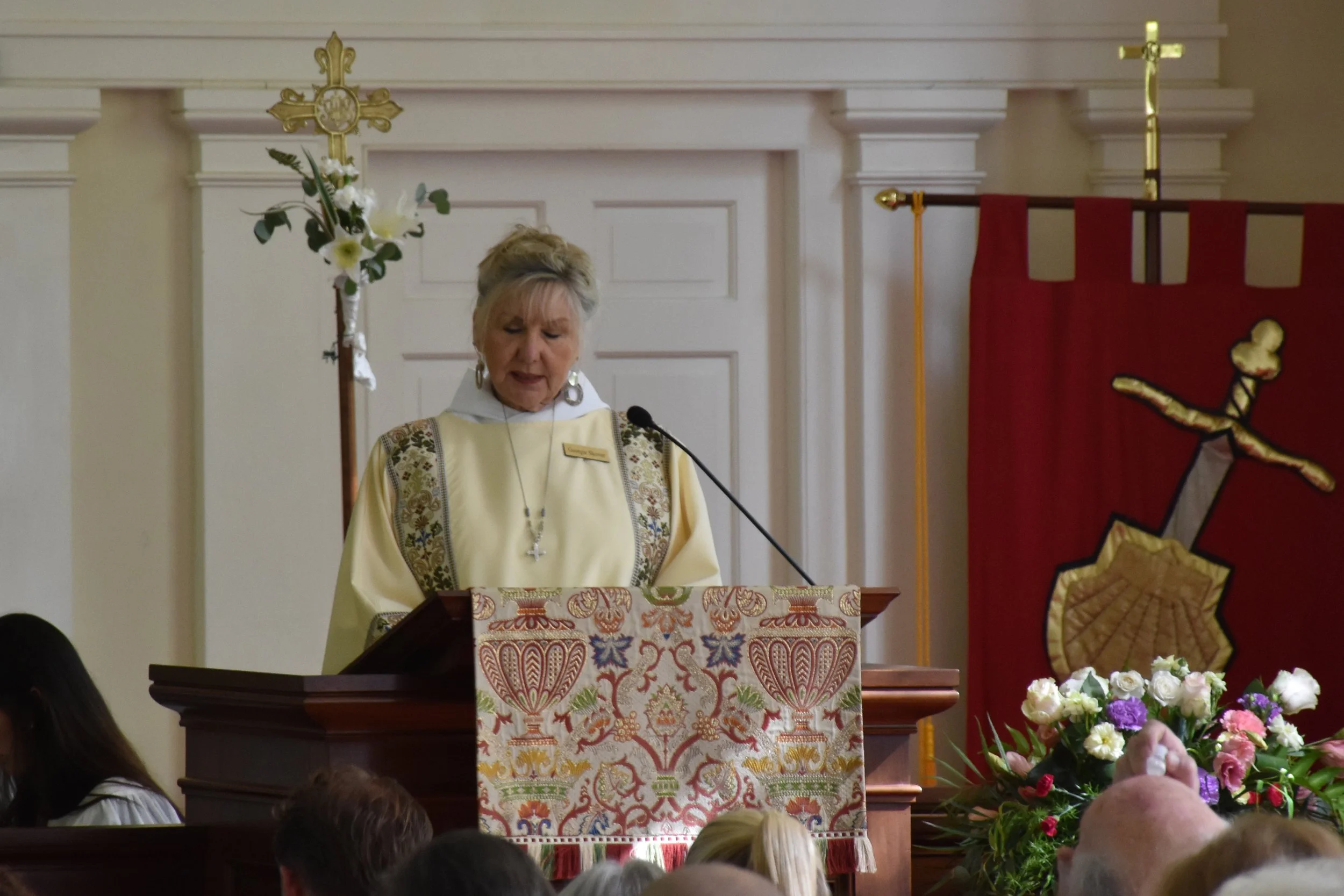
Sundays at Saint James Episcopal Church move through Scripture from start to finish. Long before the sermon, before Communion, before the final blessing, somebody walks up to the lectern and reads the Word out loud to everybody in the pews. That somebody is a lector, also called a lay reader, and they're one of the reasons our worship feels alive.
Reading Scripture out loud isn't a clergy job at Saint James. It's a lay ministry, which means lay people in the congregation step up and do it. Steve Johnston coordinates our lectors and has been a reader himself for forty years across multiple Episcopal churches. The team he leads now is a mix of longtime readers and folks who picked it up after the parish restarted.
Key Takeaways
A lector, also called a lay reader, is a lay person who proclaims Scripture during the worship service
At Saint James, lectors typically read one Old Testament lesson, one Psalm, one New Testament lesson, and sometimes lead the Prayers of the People
The Gospel is always read by clergy or a deacon, never a lector
Most lectors at Saint James serve about once a month
You don't need public speaking experience or a theology background. What matters is care for Scripture and willingness to practice
Steve Johnston coordinates the team and provides training, scheduling, and one-on-one support for new lectors
What Is a Lector?
A lector, sometimes called a lay reader, is a lay member of the congregation who reads Scripture aloud during the service. In the Episcopal Church, lectors share the readings that come before the Gospel. The Gospel itself is reserved for clergy or a deacon, but everything that leads up to it is the lector's part.
This is one of the older lay roles in Christian worship. The basic idea hasn't changed in centuries. Worship belongs to the whole people of God, not just the clergy, and Scripture is meant to be read by ordinary people, not held at a distance.
If you've ever sat in a pew and noticed how a familiar passage sounded different depending on who was reading it, that's the point. Different voices bring out different things.
What a Lector Does at Saint James
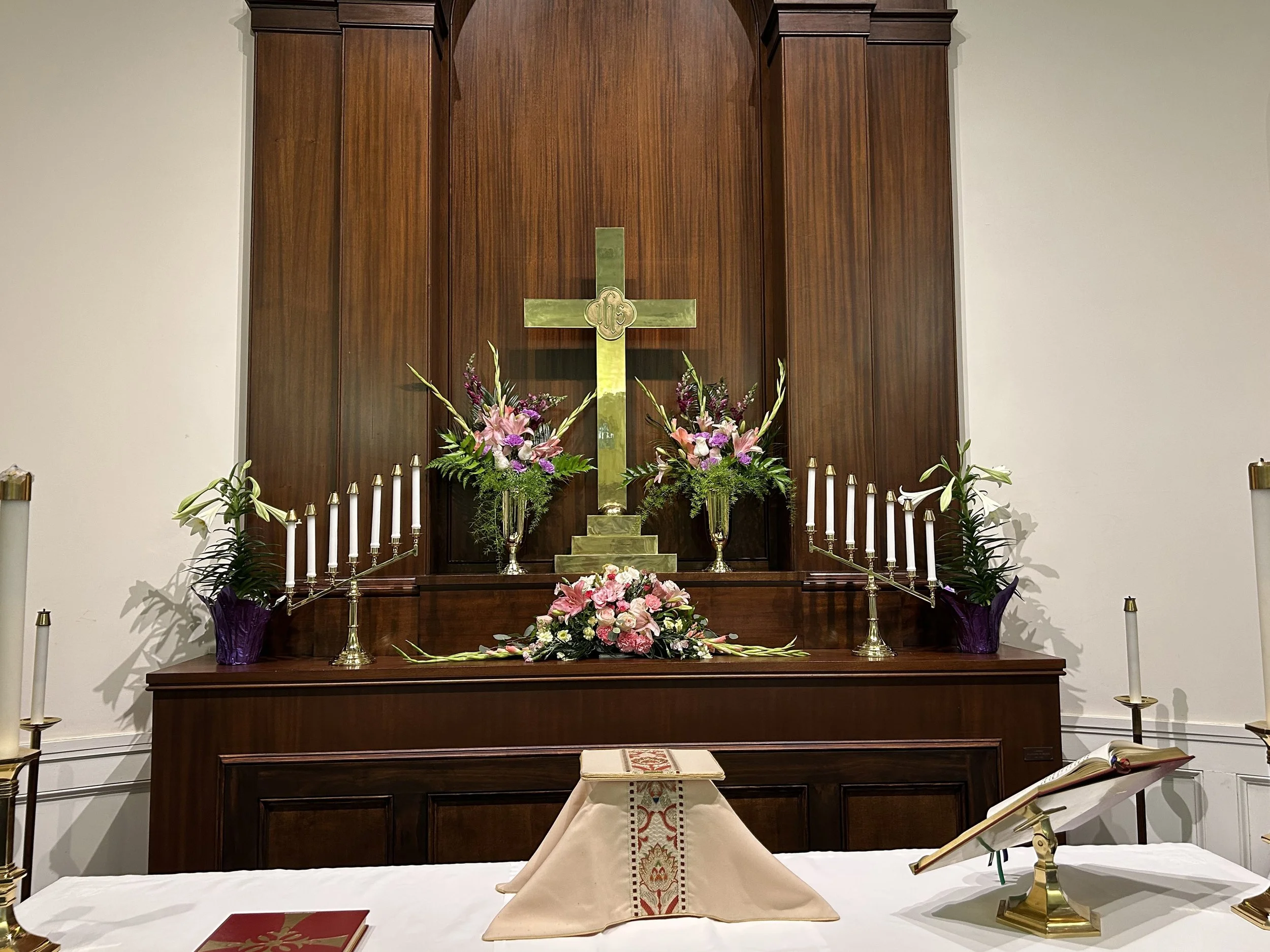
A lector at Saint James handles the readings before the Gospel. On a typical Sunday, that means:
One Old Testament lesson
The Psalm, read either responsively with the congregation or alone
One New Testament lesson, usually from one of the Epistles
The Prayers of the People, sometimes (this is also called the role of intercessor)
That's the whole job during the service. The work that makes it good happens earlier in the week, when you sit down with the readings and get familiar with them before Sunday morning.
How to Prepare to Read in Church
Aubra Wilson, who's been a lector at Saint James for just over a year and read at her previous churches before that, has the most practical advice we've heard. She suggests reading the Scripture out loud several times during the week before you serve, then practicing at the actual podium with the sound system on so you can hear how your voice carries in the space. Read slowly. Slower than feels natural. Most lectors rush their first time up, and the congregation has a hard time keeping up.
Steve sends readings to the team in advance, so there's always time to prep. He provides one-on-one training when you start out, including guidance on pacing, projection, and how to handle the trickier biblical names that show up in the lectionary.
The deeper work is just sitting with the passage. Reading it more than once during the week. Thinking about what it's saying. You're not preparing a performance. You're preparing to share something the congregation is going to hear and carry into the rest of their day.
Who Can Serve as a Lector?
Lectoring at Saint James is open to anyone who feels called to help the congregation hear Scripture. Steve put it pretty plainly. You don't have to be a trained speaker. You don't need a deep church background. The qualities that matter are:
A real care for Scripture
Willingness to practice
A clear voice that carries to the back row
Comfort being in front of people, even if you're a little nervous at first
Public speaking experience helps, but it isn't required. Steve says some of the best readers started out convinced they weren't qualified.
This is also a great ministry for youth, college students, and newer members. Watching someone read Scripture in public for the first time, especially a teenager or somebody who's never volunteered before, is one of the more meaningful things that happens at Saint James.
What If I'm Nervous About Reading in Front of People?
This is the question Steve gets most, and it's worth answering directly. Being nervous is normal. Most lectors are nervous their first time, and a lot of them stay a little nervous for a while after that.
Here's what helps:
The congregation isn't expecting a performance. They're listening for Scripture, not judging your delivery
You'll have the readings well in advance and time to practice
The first few times you serve, you'll have backup from experienced lectors
Slow down. Most first-time lectors race through the reading
Mistakes happen all the time. You'll mispronounce a name or lose your place, and nobody in the pews is going to hold it against you
Steve's advice for anyone on the fence is pretty simple. You don't have to be perfect. You just have to be willing.
How Often Will I Be Scheduled?
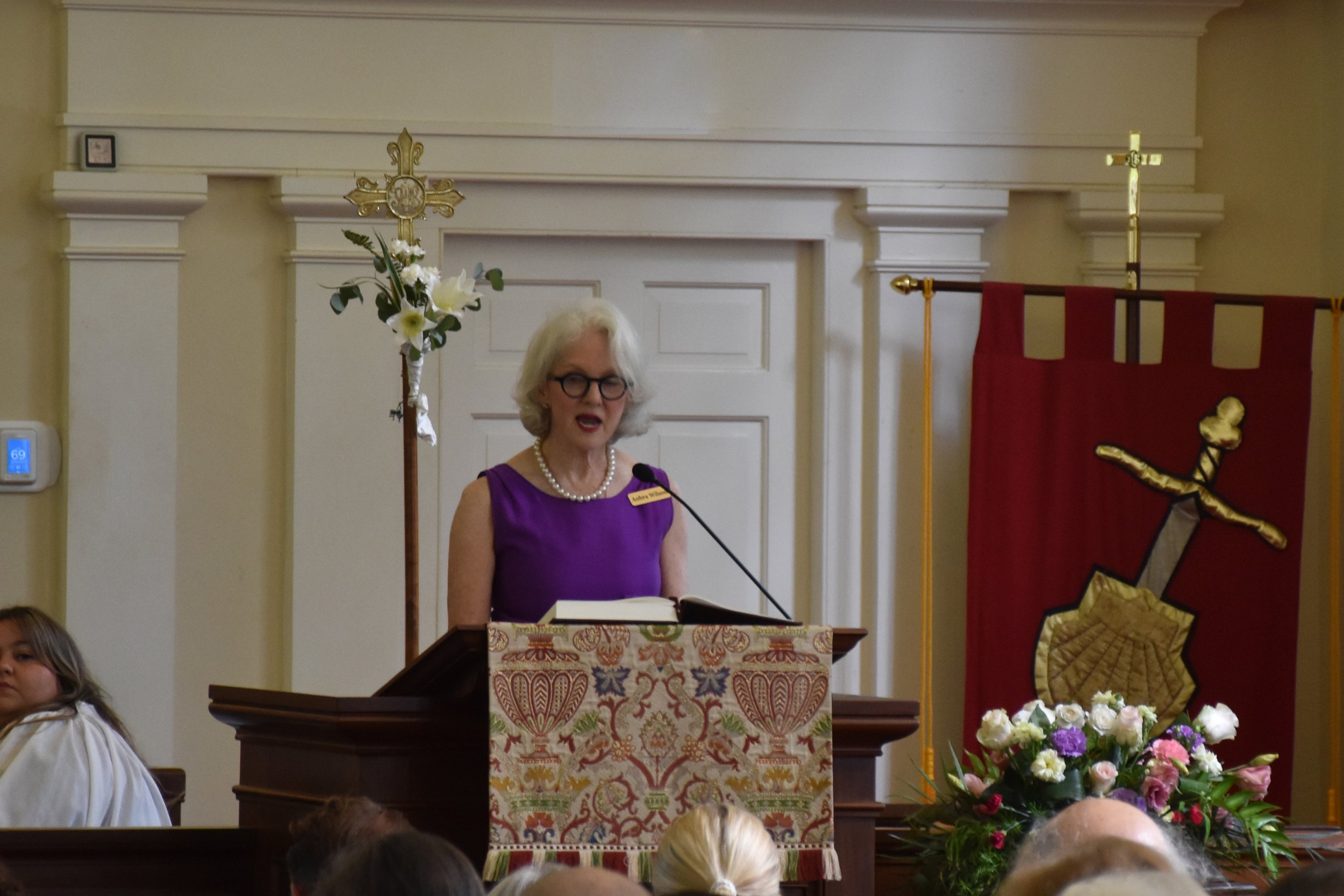
Lectors at Saint James serve about once a month. Steve handles the rotation and coordinates with the clergy each week to make sure everybody knows what they're reading. You won't be on the schedule every Sunday, and there's flexibility built in for travel, illness, and family stuff.
Special services like Christmas Eve, Easter, Holy Week, and funerals sometimes call for additional readers. If you want to be more involved on those Sundays, just let Steve know.
How to Become a Lector at Saint James
Getting started is simple. Reach out to the church office at 843-277-2765 or email stjamesepiscopalji@gmail.com. We'll connect you with Steve, and he'll have a quick conversation with you about the ministry, walk you through training, and add you to the schedule once you're ready.
Steve's training covers the practical stuff (pacing, microphone, navigating the lectionary) and the spiritual stuff (how to approach a passage prayerfully, how to find the rhythm in a reading). It's not a long process, and you won't be reading on your own until you feel ready.
Part of a Bigger Team
Lectors aren't out there on their own. By the time you stand up to read, the Altar Guild has been at the church for hours getting things ready. Acolytes are seated in vestments. Eucharistic ministers will share the cup during Communion later in the service. Ushers are still at the back of the church handing out bulletins. Reading Scripture is one part of a Sunday morning that takes a lot of people to pull off.
If lectoring doesn't feel like the right fit, our overview of church ministries at Saint James walks through everything else you might want to look into. There's something here for everybody.
Communion at Saint James
Getting up to the altar rail isn't easy for everybody, and that's okay. If you'd rather stay in your pew for Communion, just give one of the ushers a heads up and we'll bring it to you. We've got gluten-free wafers too, so let the priest know when you come up. And if you can't make it to church but still want to receive Holy Communion at home, give the office a call. We'll get it set up.
Lector FAQs
Do I need to be a confirmed Episcopalian to be a lector?
No! Anybody in the congregation can read at Saint James. A few dioceses license lectors for bigger roles like leading Morning Prayer, but reading on Sunday doesn't require that.
What's the difference between a lector and a lay reader?
In most Episcopal churches, including Saint James, the terms get used interchangeably. Lector tends to be the older, more formal word. Lay reader is the more common everyday term. They mean the same thing.
What do lectors actually read?
The Old Testament lesson, the Psalm, and the New Testament lesson. Sometimes the Prayers of the People too. The Gospel is always read by clergy or a deacon.
What happens if I make a mistake?
You recover and keep going. Mispronouncing a biblical name happens to everybody. The congregation isn't grading you. Just take a breath and move on.
Can teenagers and college students be lectors?
Yes, and they're warmly encouraged. Steve has trained readers of all ages, and watching a younger reader proclaim Scripture for the first time is one of the gifts of this ministry.
How far in advance will I get my readings?
Steve sends readings out well before the Sunday you're scheduled, so you have time to practice during the week.
Ready to Read?
Lectoring is one of the most direct ways to participate in worship at Saint James. You'll spend time in Scripture every week. You'll meet other readers. And you'll be part of how the congregation hears the Word on Sunday morning. We'd love to have you.
Call the church office at 843-277-2765 or email stjamesepiscopalji@gmail.com to get connected.